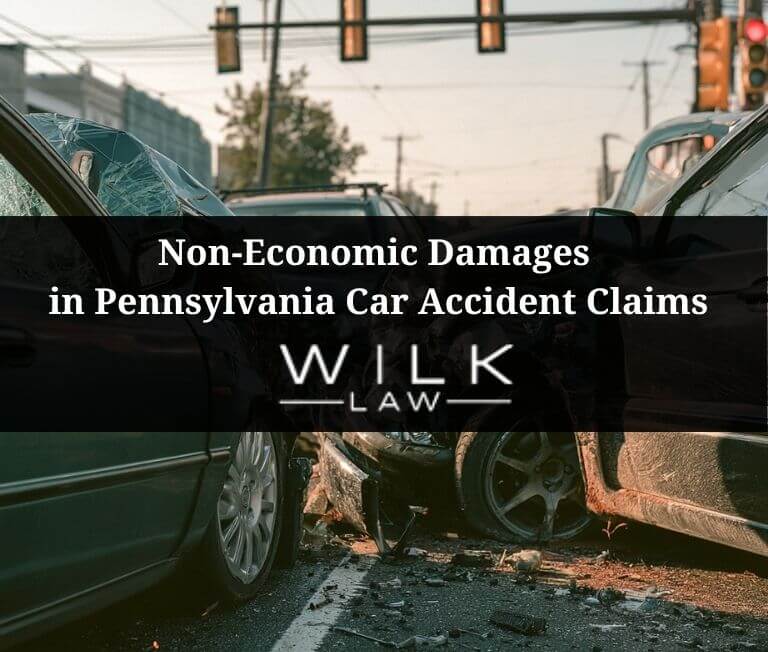


In Pennsylvania, you generally cannot reopen a settled car accident case once you sign a release and accept payment.
Courts treat a settlement as a binding contract. A narrow set of exceptions, such as fraud, duress, mutual mistake of fact, or lack of capacity, can allow a court to set it aside, and claims against other parties or your own UIM coverage may remain open.
In this article, you will discover how Pennsylvania settlement releases work, the legal grounds to challenge one, and how an attorney can help protect your rights.
What Does Signing a Release of Liability Mean?
A release of liability is a legal contract where you accept money and permanently give up your right to sue the at-fault driver and their insurer for anything tied to that accident. Once signed, it closes the door on future claims from that crash.
Insurance companies draft these documents to protect themselves, not you. The language is intentionally broad, covering injuries you already know about and injuries you have yet to discover.
Here’s what you typically give up when you sign a Pennsylvania settlement release:
- Your right to sue the at-fault driver again: The release names them specifically, and that avenue is permanently closed.
- Recovery for injuries you discover later: “Known and unknown” injury language means a new diagnosis is often still covered by what you’ve already signed.
- Future medical bills tied to the accident: Any treatment connected to the crash typically falls within the settled claim.
- Claims against connected parties: Some releases also protect the at-fault driver’s employer or the owner of the vehicle involved.
When Can a Pennsylvania Court Set Aside a Car Accident Settlement?
To “rescind” a settlement means a court cancels it entirely, as if the agreement never existed. Pennsylvania courts require clear, documented evidence of one of these recognized grounds.
Fraud or Misrepresentation
If the insurer or at-fault party deliberately lied or concealed a critical fact, like hiding the actual policy limits to pressure you toward a lower offer, that deception can void the agreement.
Mutual Mistake of Material Fact
This applies when both you and the insurer were wrong about a fundamental fact that both sides relied on when signing. This is not about underestimating your injuries. The mistake must involve a specific, verifiable fact that existed at the time the agreement was reached.
Duress or Undue Influence
Duress means you were pressured or coerced in a way that removed your ability to make a free, clear decision. Being pushed to sign paperwork at a hospital while heavily medicated is a recognized example.
Lack of Capacity or Authority
If you lacked the legal ability, called “capacity,” to enter a contract at the time you signed, the settlement may be void. This applies to minors and adults who have been legally declared incapacitated.
Ambiguous or Overbroad Release Language
When the wording of a release is genuinely unclear, courts may interpret it narrowly. If your specific claim isn’t explicitly covered by the language, a court could determine it remains open.
Breach of Contract
If the insurer never paid the agreed amount or paid less than what was promised, they broke the contract. A broken contract can be enforced, and in some cases rescinded.
Does a New or Worsening Injury Allow Reopening?
This is the most common reason people reach out to us after settling, and it is rarely a successful legal argument. Most Pennsylvania releases include “known and unknown” injury language, meaning a condition that worsens or surfaces after signing is likely already covered by what you agreed to.
This is exactly why we urge every client to wait until reaching Maximum Medical Improvement (MMI) before accepting any offer. MMI is the point your doctor determines your condition has stabilized and your future treatment needs are fully understood.
Settling before MMI means settling before you know the true cost of your injuries, a mistake that’s nearly impossible to undo.
What we see across the car accident claims we handle in Chester County is a client who settled within weeks of a crash on Route 202 or Route 100, then learned months later at Chester County Hospital or Paoli Hospital that they needed shoulder or spine surgery.
By then, the release had already closed the claim against the at-fault driver. The remaining options usually involve other parties or the client’s own UIM coverage, which is why we urge clients to wait until their doctors have a clear picture.
Can You Pursue Other Parties or UM/UIM After Settling?
Your release only protects the parties named in it. If someone else contributed to your accident, your right to pursue them may still be intact.
Claims Against a Different At-Fault Party
Pennsylvania car accidents often involve more than one responsible party. Depending on your case, we may be able to pursue:
- A vehicle manufacturer if a mechanical defect contributed to the crash.
- A government entity responsible for maintaining dangerous road conditions.
- An employer if the at-fault driver was on the job at the time.
- A bar or restaurant under Pennsylvania’s Dram Shop law, which holds alcohol vendors legally responsible when they serve someone who is visibly intoxicated and that person then causes an accident.
UM/UIM Claims After Settling
Your own car insurance policy may still provide additional recovery even after you’ve settled with the at-fault driver.
- Uninsured Motorist (UM) coverage: Applies when the at-fault driver carried no insurance at all.
- Underinsured Motorist (UIM) coverage: Applies when the at-fault driver’s policy isn’t enough to cover your full losses.
Settling with the at-fault driver does not automatically waive a UIM claim against your own insurer. However, most Pennsylvania UIM policies require you to notify your own insurance company before finalizing a third-party settlement, and missing this step can put your UIM rights at risk.
A tactic we see repeatedly from adjusters in Philadelphia car accident claims is a fast offer of the at-fault driver’s full policy limits, paired with pressure to sign right away. Accepting the limits can be the right move, but signing before giving your own UIM carrier written notice can jeopardize the UIM claim. We send that notice before any release is signed.
What Are Your Options if You Already Accepted a Settlement?
Where you are in the process determines what we can still do for you.
| Stage | Your Options | Urgency Level |
| Verbal agreement, no release signed | An oral agreement is not always enforceable until signed. We can still intervene. | High. Do not sign anything. |
| Release signed, check not cashed | A narrow window may exist. Do not deposit the check. | Urgent. Call us before doing anything. |
| Release signed and check cashed | Grounds like fraud, duress, or claims against other parties must be explored. | Critical, a full document review is needed immediately. |
Regardless of where things stand, stop all contact with the insurance adjuster right now. Do not give recorded statements, sign anything new, or post about the accident on social media.
What Deadlines Apply in Pennsylvania?
Pennsylvania’s statute of limitations, the legal deadline for filing a personal injury lawsuit, is generally two years from the date of your accident. This clock still runs if you’re pursuing new claims against a different at-fault party, even after settling with the original driver.
For actions to rescind a settlement based on fraud or mistake, the deadline often begins from the date you discovered, or reasonably should have discovered, the problem. That window is not open-ended.
UIM claims are generally subject to Pennsylvania’s four-year statute of limitations for contract claims, though your policy may require notice far sooner. The longer you wait, the fewer options you have.
What Should You Do Before Accepting a Settlement in Pennsylvania?
The most powerful protection is getting it right before you sign anything. If your case is still open, take these steps now:
- Wait for Maximum Medical Improvement: Never accept any offer until your doctor confirms your condition has stabilized and your long-term treatment needs are fully known.
- Have an attorney review the release: Insurance companies have legal teams protecting their interests on every document they send you. You deserve the same protection before signing anything.
- Identify every liable party first: We investigate every angle before recommending any number. Settling with one party too soon can close doors that should stay open.
- Notify your own insurer before settling: Your UIM policy likely requires you to put your own carrier on notice before finalizing a third-party settlement. Missing this step can cost you your UIM rights.
- Never sign at the scene or hospital: Adjusters sometimes approach injury victims within hours of an accident. Those early offers rarely reflect what your claim is actually worth.
Protect Your Rights and Call Wilk Law Personal Injury & Car Accident Lawyers Today
Insurance companies push for fast settlements because quick resolutions protect their bottom line, not yours. At Wilk Law Personal Injury & Car Accident Lawyers, we fight back. We have secured substantial recoveries for pedestrian and cyclist accident victims by refusing to back down when insurers try to settle for less than our clients deserve.
If you’ve already settled and have doubts about what you signed, or if your case is still open and you want to make sure you recover everything you’re owed, contact Wilk Law Personal Injury & Car Accident Lawyers today. Your consultation is completely free, and we work on a contingency basis, meaning you pay nothing unless we win.
Frequently Asked Questions About Reopening a Settled Car Accident Case in Pennsylvania
Can I File a UM/UIM Claim in Pennsylvania After Settling With the At-Fault Driver?
Often, yes. You can usually still file a UIM claim with your own insurer after settling, as long as you gave your insurer the notice your policy requires before signing the release with the at-fault driver.
Does a General Release in Pennsylvania Block Claims Against All Other Parties?
Not necessarily. A release typically only applies to the specific parties named in it, so a claim against a separate at-fault party may still be available to you.
What If I Signed a Release in Pennsylvania but Haven’t Cashed the Settlement Check?
Do not cash the check and contact an attorney immediately. There may still be a legal argument that the settlement isn’t fully binding until the payment is accepted.
Do Minors’ Car Accident Settlements Follow Different Rules in Pennsylvania?
Yes, settlements involving minors in Pennsylvania must be court-approved to be legally valid, which provides a layer of judicial review that adult settlements don’t have.
Can I File a Bad Faith Claim Against an Insurance Company in Pennsylvania?
If an insurer acted in bad faith to pressure you into a low settlement, a separate claim under 42 Pa. C.S. § 8371 may be available. These cases require clear and convincing evidence that the insurer had no reasonable basis for its conduct and knew it or recklessly ignored it.
What Documents Should I Bring When I Contact Wilk Law Personal Injury & Car Accident Lawyers for a Review?
Please bring your signed release, any correspondence with the adjuster, your medical records from before and after settling, the police report, and the declarations page of your own auto insurance policy.
Will It Cost Me Anything to Have Wilk Law Personal Injury & Car Accident Lawyers Review My Settlement?
No. Your consultation and case review are completely free, and we work on a contingency fee basis, meaning you only pay us if we recover money for you.