

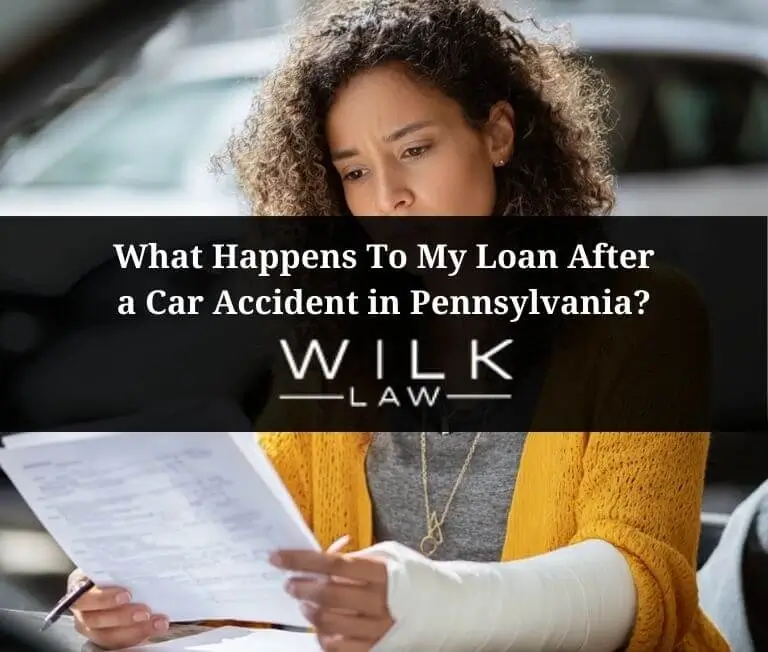
When you finance a car in Pennsylvania and get into an accident, your loan remains active regardless of the vehicle’s condition, and the lender receives insurance payments before you do.
The bank or credit union that financed your car holds a lien on the title, meaning they legally own the vehicle until you pay off the loan completely.
After a crash, insurance companies must include the lender’s name on all settlement checks, and you cannot make repair decisions or accept settlements without lender approval.
If your car is repairable, you must continue making monthly loan payments during repairs and get your lender’s endorsement on insurance checks before work begins. If your car is totaled, the insurance settlement goes to your lender first to pay down the loan balance, and any remaining debt becomes your personal responsibility.
What Insurance Pays for a Financed Car After a Crash
Pennsylvania requires specific insurance coverage for financed vehicles, and understanding these coverages determines whether your loan gets paid after an accident.
- Collision Coverage: Pays for your car’s damage regardless of who caused the accident.
- Comprehensive Coverage: Covers non-collision damage like theft, vandalism, or weather.
- Liability Insurance: Only pays other people’s damages when you’re at fault.
Lenders require collision and comprehensive coverage to protect their investment, regardless of Pennsylvania’s no-fault insurance laws. Without these coverages, you’re personally responsible for repair costs or the remaining loan balance. Your loan contract requires this protection, and driving without it can trigger loan default.
What Happens to My Loan if the Car Is Repairable
When insurance adjusters determine your car is repairable, they issue checks jointly to you and your lender. The repair process requires your lender’s endorsement on the insurance check before any work begins. This ensures proper repairs maintain the car’s value and protect the lender’s collateral.
You must continue monthly payments during repairs, even if you cannot drive the car. Missing payments damages your credit and can trigger loan default, regardless of the accident circumstances. The loan contract remains valid until you pay the full balance or the car gets totaled.
When Is My Car a Total Loss in Pennsylvania
A car becomes a total loss when repair costs plus salvage value exceed the vehicle’s actual cash value (ACV). Pennsylvania uses this Total Loss Formula rather than fixed percentages like other states. The ACV represents your car’s worth immediately before the accident, not what you originally paid.
For example, if your car’s ACV is $15,000, repair costs are $12,000, and salvage value is $4,000, the total of $16,000 exceeds the ACV, making it a total loss. Insurers must justify their decision with documentation showing how they calculated each amount.
Who Gets the Insurance Check and How Your Loan Is Paid Off
When your financed car is totaled, the insurance settlement follows a specific payment hierarchy that prioritizes your lender.
- Insurance determines your car’s actual cash value
- The settlement check goes to both you and the lender
- The lender receives payment first to satisfy the loan
- Any remaining funds go to you
If you owe more than the car’s ACV, you must pay the difference out of pocket. This situation is called being “upside down” or “underwater” on your loan. Pennsylvania law does not forgive this debt, the loan contract remains enforceable even after the car is destroyed.
Will Gap Insurance Pay the Remainder of My Loan
Gap insurance covers the difference between your car’s actual cash value and your loan balance when you owe more than the car is worth. This coverage helps in common scenarios where cars depreciate faster than loan balances decrease.
Gap insurance typically excludes certain items from coverage:
- Extended Warranties: Not part of the original loan principal
- Late Fees or Missed Payments: Your responsibility regardless of the accident
- Excessive Mileage Penalties: Apply only to leased vehicles
- Rollover Debt: From previous car loans added to the current loan
Gap insurance must be active when the loss occurs to provide coverage. If you cancelled the policy or let it lapse, you’re responsible for the entire shortfall between insurance proceeds and loan balance.
What if I Am Not at Fault in Pennsylvania?
When another driver causes your accident, their liability insurance should pay your car’s actual cash value, especially when your car is totaled and you weren’t at fault. However, the settlement check still goes to your lender first, just like with your own insurance. Pennsylvania’s limited tort option only restricts injury claims, not property damage claims.
Your insurance company may use subrogation to pay first, then seek reimbursement from the at-fault driver’s insurer. This process can help you recover your deductible and speed up the claim.
Delays in fault determination don’t pause your loan payments, you must continue making monthly payments until the loan is satisfied.
Do I Still Have to Make Payments After a Crash?
Yes, you must continue loan payments until the loan is completely satisfied, regardless of your car’s condition. Your loan contract doesn’t include accident exceptions or payment holidays for damaged vehicles.
Missing payments after an accident creates serious consequences:
- Credit Damage: Late payments appear on credit reports within 30 days
- Default Risk: Lenders can demand full payment or pursue legal action
- Additional Fees: Late charges compound your financial burden
Contact your lender immediately after an accident to discuss options like payment deferral, though interest continues accruing.
Can I Keep a Totaled Car in Pennsylvania?
You can retain ownership of a totaled car through Pennsylvania’s salvage retention process, but this decision affects your insurance settlement. The insurer deducts the salvage value from your settlement, and you receive a salvage title from PennDOT.
A salvage title means the car cannot be driven until properly repaired and inspected. After repairs, you must obtain a rebuilt title through PennDOT’s inspection. Many insurers won’t provide full coverage for rebuilt title vehicles, limiting your future insurance options.
Consider a financial example: if your car’s ACV is $12,000, the salvage value is $3,000, and you owe $15,000, retaining the car means you only receive $9,000 from insurance instead of $12,000, leaving you with a $6,000 shortfall instead of $3,000.
How Do I Dispute a Low Total Loss Valuation?
When you believe the insurance company’s actual cash value is too low, you can challenge their determination with proper evidence and Pennsylvania-specific procedures.
Build Your Evidence:
- Recent maintenance records showing excellent condition
- Receipts for upgrades like new tires or premium sound systems
- Comparable vehicle listings within 75 miles of your location
- Independent appraisal from a certified automotive appraiser
Pennsylvania Rights:
- Insurers must provide their valuation report upon request
- You can invoke the appraisal clause in your insurance policy
- The Pennsylvania Insurance Department accepts complaints for unfair practices
Act quickly and check your insurance policy for its dispute deadline. Document all communications with your insurer and keep copies of supporting evidence.
What Changes if the Vehicle Is Leased
Leased vehicles follow different rules because the leasing company owns the car and receives all insurance proceeds. You may still owe remaining lease payments plus early termination fees even after a total loss.
Most lease agreements include gap coverage, but verify your specific contract terms. You cannot keep a totaled leased vehicle because you don’t own it. Pennsylvania’s lemon law doesn’t apply to accident damage, only manufacturing defects.
Review your lease agreement immediately after an accident to understand your financial obligations. Some leases allow you to purchase gap coverage separately if it’s not automatically included.
What if I Co-Signed or I Am a Co-Borrower?
Co-signers and co-borrowers have equal liability for the entire loan amount, regardless of who was driving during the accident. If the primary borrower cannot pay after a total loss, the lender will pursue co-signers for the full amount.
Both parties’ credit reports reflect missed payments or defaults. Co-signers cannot force decisions about insurance claims or settlements; only the primary borrower has that authority. Bankruptcy by one party doesn’t eliminate the other’s obligation to pay the loan.
Maintain communication with both the primary borrower and lender throughout the claim process. Consider whether you want to make payments yourself to protect your credit if the primary borrower cannot pay.
What Should I Do First After a Crash with a Financed Car?
Report the Claim and Document Everything
Take photos of all vehicle damage, collect witness contact information, and file a police report if required. Report the accident to both your insurance company and the at-fault driver’s insurer within 24 hours to avoid coverage issues.
Confirm Coverages and Ask About Total Loss Process
Review your policy’s collision and comprehensive limits and deductibles with your agent. Ask your adjuster about their total loss evaluation timeline and actual cash value methodology to understand the process.
Contact Your Lender and Protect Your Credit
Notify your lender within 48 hours of the accident and request written confirmation of your conversation. Ask about payment assistance options during claim processing to avoid credit damage.
Preserve Evidence to Support ACV and Options
Keep all maintenance records, recent repair receipts, and documentation of vehicle upgrades. Research comparable vehicles for sale in your area to support your car’s value if disputes arise.
Call Wilk Law to Coordinate Insurer and Lender Communications
Our experienced Philadelphia car accident attorneys navigate between insurance companies and lenders, ensuring proper payments and protecting your interests throughout the complex claim process. Our experience helps maximize your settlement and minimize out-of-pocket costs.
Award-Winning Auto Accident Injury Law Firm in Philadelphia, Pennsylvania
When you’re dealing with a financed car accident in Pennsylvania, every day matters for protecting your financial interests. Insurance companies work to minimize payouts while lenders demand their money regardless of circumstances.
At Wilk Law Personal Injury & Car Accident Lawyers, we understand the pressure you’re facing from multiple directions. We move quickly to coordinate with insurers and lenders, challenge low valuations, recover deductibles, and pursue full compensation for your injuries.
Our experienced Pennsylvania car accident attorneys handle the legal complexities while you focus on recovery. We don’t get paid unless we win your case, so contact us today for a free consultation to protect your rights and financial future.
Pennsylvania Loan After a Car Accident FAQ
Do I Still Have to Make Payments if My Car Is Totaled?
Yes, you must continue making loan payments until the insurance settlement pays off your loan or you pay the remaining balance yourself. The loan contract remains valid regardless of your car’s condition.
Who Receives the Insurance Check on a Financed or Leased Vehicle?
The insurance company issues the check to both you and your lender or leasing company, who gets paid first before any remainder goes to you. This protects the lender’s financial interest in the vehicle.
Will the At-Fault Driver’s Insurance Pay Off My Entire Loan Balance?
No, their liability insurance only pays your car’s actual cash value, not your loan balance. Any difference between the insurance payment and loan amount remains your responsibility.
What if I Only Had Liability Coverage on a Financed Car?
You’re personally responsible for the entire loan balance since liability coverage doesn’t pay for your own vehicle’s damage. This violates most loan agreements and can trigger default.
Does Limited Tort Affect My Property Damage Claim?
No, Pennsylvania’s limited tort option only restricts pain and suffering claims for injuries like whiplash. You can pursue full property damage compensation regardless of your tort selection.
Can I Keep My Totaled Car and Still Get Paid?
Yes, but the insurer deducts the salvage value from your settlement, and you’ll need a rebuilt title to drive it again. This option may not be financially beneficial depending on your loan balance.
How Do I Challenge a Low ACV in Pennsylvania?
Request the insurer’s valuation report, gather comparable sales data, obtain an independent appraisal, and invoke your policy’s appraisal clause if negotiations fail. Act quickly due to policy deadlines.
What if I Co-Signed the Loan or I Am a Co-Borrower?
Co-signers remain equally liable for any loan balance after insurance pays, and missed payments affect both parties’ credit reports. The lender can pursue either party for the full amount.
How Long Until My Lender Is Paid and the Lien Is Released?
After settlement approval, lenders process payment and release the lien, but complex claims or disputes can extend the timeline. Your lender must process the payment and release the lien through proper channels.