

While Pennsylvania law allows you to represent yourself in a truck accident claim, the complexity of federal trucking regulations, sophisticated insurance defense tactics, and the severe nature of truck accident injuries make self-representation extremely risky in most cases.
You can handle your own claim if damages are minimal, liability is clear, and no injuries occurred. Still, those situations are uncommon because truck crashes often cause severe damage and serious injuries.
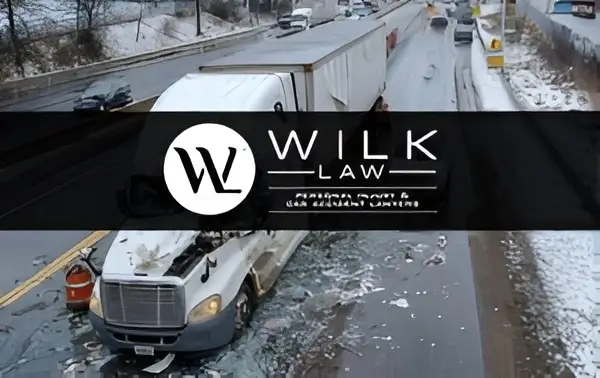
Truck accident claims differ significantly from typical car accident cases because they involve federal motor carrier safety regulations, multiple insurance policies, corporate legal teams, and time-sensitive evidence that can be destroyed or lost without immediate legal action.
Insurance companies for trucking corporations deploy experienced adjusters and attorneys who specialize in minimizing payouts through tactics such as insurance claim denials.
At the same time, critical evidence, including electronic logging device data and black box recordings, can be overwritten within days or weeks of an accident.
When You Can Go It Alone
Self-representation is typically viable only for minor property-damage claims with no physical injuries, and only within Pennsylvania’s small-claims court limits.
You might also manage your own claim if the trucking company has already admitted full liability in writing or if you are filing a simple, cooperative claim with your own underinsured motorist coverage.
Risks if You Go It Alone
Trucking companies use rapid-response teams to protect their interests, which can destroy critical driver logs or black box data if a lawyer does not immediately demand evidence preservation.
Without counsel from an experienced truck accident lawyer, you risk making harmful recorded statements to adjusters or accidentally signing releases that waive your right to future compensation.
Protection Against Unfair Blame
Insurance adjusters often use Pennsylvania’s comparative negligence rules to shift fault onto unrepresented victims, significantly reducing final payouts.
A Pennsylvania truck injury attorney prevents this by conducting an independent investigation to ensure you aren’t unfairly blamed and by navigating complex federal trucking regulations that you might otherwise miss.
Before signing any insurance documents, you should contact us to safeguard your legal rights.
When Do I Need a Pennsylvania Truck Accident Lawyer?
Certain circumstances make legal representation essential rather than optional. These situations require protecting your family’s financial future, not just pursuing compensation.
Serious Injury or Disputed Fault
Injuries requiring hospitalization, surgery, or ongoing treatment create complex calculations of damage. These calculations must include future medical costs, lost earning capacity, and life care planning, which is a critical part of a Pennsylvania truck accident lawyer’s role and involves coordination with medical and economic experts.
Trucking companies dispute fault, blaming victims for following too closely, changing lanes unsafely, or entering blind spots. Legal representation becomes critical when fault is contested.
Commercial Carrier or Multiple Parties
Truck accidents involve multiple potentially liable parties, including the driver, trucking company, cargo loader, maintenance provider, and equipment manufacturers, making suing large trucking companies particularly complex.
Each party has separate insurance, with different adjusters working to minimize their respective exposures.
Understanding concepts like vicarious liability and respondeat superior requires legal expertise. These legal principles determine when companies are responsible for their employees’ actions.
Evidence at Risk of Being Lost
Critical evidence, such as electronic logging device data, black box information, driver qualification files, maintenance records, and nearby surveillance footage, is at constant risk of being overwritten or destroyed if formal legal preservation letters are not issued immediately following a truck accident.
Insurance Denies or Delays
Insurance companies use common tactics, including denying claims on technicalities, delaying payments to create financial pressure, and disputing the necessity of medical treatment.
Our skilled attorneys at Wilk Law Personal Injury & Car Accident Lawyers remove time pressure and effectively fights these tactics.
Wrongful Death or Catastrophic Harm
Cases involving fatalities, paralysis, traumatic brain injuries, or amputations require understanding Pennsylvania’s wrongful death statutes. These laws specify who can file claims and what damages family members can recover. You have one chance to get this right for your family’s future.
Why Truck Accident Claims Are More Complex Than Car Accidents
Truck accidents involve greater complexity than typical car crashes. This complexity stems from a comprehensive regulatory framework designed to protect the public from the risks posed by commercial vehicles.
Federal Trucking Rules and Hours of Service
The Federal Motor Carrier Safety Administration (FMCSA) enforces strict regulations to ensure road safety, including Hours of Service rules that limit driving to 11 hours within a 14-hour window, mandatory electronic logging to replace paper logs, and rigorous requirements for random or post-accident drug and alcohol testing, as well as driver medical certifications.
Multiple Insurance Layers and Corporate Defenses
Truck accidents involve significantly more resources and insurance coverage than car accidents:
| Factor | Car Accident | Truck Accident |
| Minimum Insurance | $15,000 in PA | $750,000-$5 million |
| Typical Defendants | 1 driver | 3-5 companies |
| Defense Resources | Individual’s insurer | Corporate legal teams |
| Evidence Complexity | Police report, photos | ELD, maintenance, cargo records |
| Federal Regulations | None | Extensive FMCSA rules |
Trucking companies use these resources to defend against claims from the moment of a crash aggressively.
Higher Damages and Long-Term Care
Truck accident injuries typically require extensive ongoing care, including multiple surgeries, lifelong therapy, home modifications, and medical equipment, which is why truck accident claims are more complex than standard auto accidents.
Pennsylvania truck accident lawyers work with life care planners and vocational experts to capture actual lifetime costs that insurance companies often underestimate.
Evidence You Must Preserve After a Truck Crash
Evidence preservation begins immediately, as trucking companies have protocols to protect their interests within hours of a crash. You need to act just as quickly.
Black Box and ELD Data
Event Data Recorders capture speed, braking, and steering data while Electronic Logging Devices track hours driven and rest periods. This data can be overwritten or mysteriously “malfunction” without proper legal preservation letters sent immediately.
Driver Qualification and Training Files
These files contain critical information, including:
- CDL history: Prior violations and suspensions.
- Training records: Safety courses and company orientation.
- Personnel files: Disciplinary actions and complaints.
- Background checks: Criminal history and prior employers.
Maintenance and Inspection Records
Federal law requires pre-trip and post-trip inspections, annual DOT inspections, and detailed repair documentation. Skipped maintenance or deferred repairs establish negligence when they contribute to accidents.
Cargo Loading and Weight Records
Bills of lading, weight tickets, and loading procedures show whether cargo was overloaded or improperly secured. Both conditions significantly affect braking, turning, and accident causation.
Scene Photos and Witnesses
Document skid marks, debris patterns, sight lines, traffic controls, and weather conditions immediately. Witness memories fade quickly, and trucking company investigators often reach witnesses first to obtain favorable statements.
Pennsylvania Laws That Affect Your Claim
Pennsylvania’s specific laws create additional complexity beyond federal trucking regulations. Understanding these rules prevents costly mistakes that could eliminate your right to compensation.
Modified Comparative Negligence 51 Percent Rule
Pennsylvania’s comparative negligence law allows recovery if you’re 50% or less at fault. If you’re 51% or more at fault, you cannot recover any compensation.
Trucking companies try to shift blame using shared fault claims in Pennsylvania by alleging you were:
- Speeding: Even slightly over the limit.
- Following too closely: Despite their sudden stops.
- In blind spots: Where they should have seen you.
Preserving evidence of the trucker’s fault becomes critical under this rule.
Limited Tort Versus Full Tort
Pennsylvania requires choosing between limited and full tort coverage when purchasing auto insurance. Limited tort restricts pain and suffering claims unless you meet the “serious injury threshold”. Truck accident injuries often qualify for this threshold, but proper medical documentation is essential. Full tort coverage removes this restriction entirely.
Two-Year Statute of Limitations
Pennsylvania gives you two years from the accident date to file a lawsuit. Missing this deadline permanently bars your right to seek compensation in court.
Waiting risks evidence loss even before the deadline passes. Critical electronic data can be destroyed within months of accidents.
Police Reporting Rules
Pennsylvania requires reporting accidents involving injury, death, or vehicles too damaged to drive. Police reports establish the official record that influences insurance claims and legal proceedings.
Always call 911 from truck accident scenes, even if injuries seem minor initially.
How Much Does a Truck Accident Lawyer Cost in Pennsylvania?
Most Pennsylvania truck accident attorneys work on contingency fees, meaning no upfront costs and payment only if you win, with the price to hire a truck accident lawyer typically ranging from 33% to 40% of your recovery. This arrangement makes legal representation accessible regardless of your financial situation.
Contingency Fees and Case Costs
Contingency fees are paid as a percentage of your recovery and cover attorney services. Case costs like expert witnesses, court filings, and medical record retrieval are separate but advanced by established firms like Wilk Law, so you pay nothing out of pocket.
Will a Lawyer Increase My Net Recovery?
Victims who hire experienced attorneys generally recover higher net compensation than those who do not. Lawyers identify all insurance coverage, prevent lowball settlements, and capture full damages, including future costs you might miss.
The financial reality is that professional representation typically yields significantly higher net recoveries, regardless of fee arrangements.
Steps to Protect Your Rights Now
These immediate actions protect your claim whether you hire a lawyer today or decide later. Following these steps preserves your family’s legal options.
Get Medical Care and Follow Orders
Seek immediate medical attention even if you feel fine because adrenaline masks injuries. Gaps in treatment or missed appointments provide insurers with grounds to deny claims.
Document all providers, treatments, and symptoms in a detailed journal for your records.
Avoid Recorded Statements
Insurance adjusters record calls to find inconsistencies in your account. You have no legal obligation to give recorded statements to the trucking company’s insurer.
Use this exact language: “I need to consult with an attorney before discussing the accident.”
Do Not Sign Broad Releases
Trucking companies may offer quick checks for “property damage” that actually release all claims. Medical authorizations that seem routine allow insurers to examine your entire medical history inappropriately.
Any document affecting your rights needs legal review before signing.
Track Lost Wages and Expenses
By meticulously tracking all missed work hours, medical copays, travel mileage to appointments, and the costs of hiring help for household tasks, you create a powerful body of concrete evidence to substantiate your total financial recovery.
Injured in a Truck Crash? Get a Free Case Review
You can attempt to handle your truck accident claim on your own, but the risks far outweigh any perceived benefits. Wilk Law Personal Injury & Car Accident Lawyers offers free consultations to evaluate your specific situation honestly.
We’ll tell you if you’re one of the rare cases that doesn’t need representation. More likely, we’ll show you evidence at risk, insurance coverage you didn’t know existed, and why the trucking company’s quick settlement offer falls short of your actual damages.
Our contingency fee structure means you pay nothing unless we win. Don’t let the trucking company’s insurance adjuster be the only voice you hear about your case’s value.
We serve West Chester, Philadelphia, Reading, Pottstown, and surrounding Pennsylvania communities with the experience and resources needed to take on corporate trucking interests.
FAQs
How Long Do Trucking Companies Keep Black Box or ELD Data?
Electronic logging devices retain records only for a limited time, and older entries can be overwritten automatically. Black box data varies by manufacturer but can be overwritten in days or weeks, making immediate legal action critical.
Can I Start My Claim Alone and Hire a Lawyer Later?
Yes, but early mistakes can permanently damage your case. Recorded statements, signed releases, and missed evidence preservation deadlines cannot be undone, making early legal involvement crucial.
Does PIP Cover Me if the Truck Was at Fault?
Yes, Pennsylvania’s Personal Injury Protection covers your medical bills and lost wages regardless of fault. However, PIP limits are often exhausted quickly in serious truck accidents, making it crucial to pursue the at-fault trucker’s insurance.
What if I Already Gave a Recorded Statement?
Don’t panic, but avoid giving additional statements immediately. An experienced attorney can often minimize damage from early statements by providing context and further evidence to support your case.
What if the Truck Driver Was from Another State?
Interstate trucking falls under federal jurisdiction and may involve multiple state laws. This complexity underscores the need for legal representation to navigate federal regulations and, if necessary, to file claims across multiple jurisdictions.