

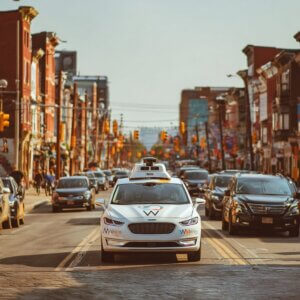
 Autonomous vehicles are legal in Pennsylvania as of July 2023. These include passenger cars, large commercial trucks, robotaxis, and delivery vehicles.
However, companies cannot just put these vehicles on public roads. They must follow strict rules and get permission from the Pennsylvania Department of Transportation (PennDOT) first.
What Is an Autonomous Vehicle Under Pennsylvania Law?
An autonomous vehicle is a car or truck that drives itself without any human driver needed. The vehicle’s computer system handles all driving tasks—steering, accelerating, braking, and navigating—from start to finish. You can sit in the passenger seat or back seat while the vehicle takes you where you need to go.
Pennsylvania law addresses autonomous vehicles through House Bill 1958. The law focuses on what is referred to as an “Automated Driving System” or ADS.
An ADS is the hardware and software that handles all driving tasks such as steering, accelerating, braking, and navigating, without any human driver needed.
These are Level 4 or Level 5 vehicles that operate completely independently in all or most conditions.
Examples of autonomous vehicles you might encounter in Pennsylvania include:
- Waymo robotaxis: Self-driving passenger vehicles that operate without a human driver
- Aurora’s autonomous trucks: Commercial freight vehicles tested extensively in the Pittsburgh area
- Cruise autonomous vehicles: Driverless ride-hailing cars similar to Uber or Lyft but without a human driver
- Autonomous delivery vehicles: Small driverless vehicles that deliver packages and food
These vehicles are clearly marked with company logos and sensors visible on the exterior. You’ll most likely see them in Pittsburgh and Philadelphia, where testing and deployment are most active.
The Difference Between Automated, Highly Automated, and Autonomous Vehicles
Pennsylvania law distinguishes between three types of self-driving technology, and understanding these differences matters if you’re involved in a crash:
Automated vehicles use driver-assistance features like lane-keeping assist or adaptive cruise control. These systems help you drive, but you remain in full control. Tesla Autopilot falls into this category—you must pay attention and be ready to take over at any moment. You are legally responsible for the vehicle at all times.
Highly Automated Vehicles (HAVs) can handle most driving tasks on their own, but they may require you to take control in certain situations. The vehicle will alert you when human intervention is needed. You must be present and capable of driving when the system requests it.
Autonomous vehicles operate completely independently without any human driver needed. These vehicles handle all driving tasks in all conditions without requiring human intervention. No one needs to be ready to take the wheel.
Pennsylvania categorizes these vehicles by their automation levels:
- Level 0-2 (Automated): You must stay engaged and ready to drive at all times
- Level 3 (Highly Automated): The vehicle handles most situations but may ask you to take over
- Level 4-5 (Autonomous): The vehicle operates without any human input needed
Autonomous Vehicle Testing and Deployment Rules in Pennsylvania
PennDOT oversees all autonomous and automated vehicle operations in the state. The department has different requirements depending on whether a company is testing vehicles or using them commercially.
Testing Requirements Under PennDOT
Companies must apply to PennDOT before testing automated vehicles on public roads. The application requires a detailed safety plan that explains how the company will keep the public safe during testing.
Companies must also designate specific areas where testing will occur. They cannot test anywhere they want. PennDOT requires ongoing communication with the company throughout the testing period.
Deployment Requirements and Certificates of Compliance
Moving from testing to commercial use requires a certificate of compliance from PennDOT. This is a higher level of approval that proves the vehicle is safe for public use.
To get this certificate, companies must provide extensive safety data from their testing. They must also establish protocols for reporting crashes and maintaining their vehicles safely.
Truck Platooning Rules in Pennsylvania
Pennsylvania allows “truck platooning,” which means electronically linking trucks to travel together. A platoon may consist of up to three trucks traveling closely together under special exemptions from standard tailgating laws.
Only the lead truck needs a human driver. The following trucks are controlled by the automated system. All platoon vehicles must be clearly marked so other drivers know what they are.
What Insurance Must an Automated Vehicle Carry in Pennsylvania
Every automated vehicle in Pennsylvania must carry at least $1 million in liability insurance. This is much higher than the minimum required for regular cars. The higher amount protects victims who might be injured in a crash.
Self-driving car insurance requirements in Pennsylvania recognize that these crashes can be complex. With more technology involved, determining who pays can become complicated.
Does Federal Law Affect Pennsylvania AV Rules?
No single federal law governs autonomous and automated vehicles right now. This creates a patchwork of different state rules across the country. Understanding Pennsylvania’s specific laws is crucial because federal oversight is limited.
NHTSA Automated Driving Guidance
The National Highway Traffic Safety Administration (NHTSA) provides voluntary guidelines for companies making automated vehicles. These are recommendations, not mandatory rules.
NHTSA suggests companies focus on several key safety areas:
- Hazard detection: The system must detect and respond to dangers on the road
- Cybersecurity: Strong protection against hacking attempts
- Crashworthiness: Vehicle design that protects occupants during crashes
- Data recording: Systems that log information during incidents
- Post-crash protocols: Clear procedures for emergency responders
No Single Federal AV Statute
Congress has not passed comprehensive federal automated vehicle legislation. The proposed AV START Act failed to become law. This means each state creates its own rules for testing and deployment.
Your rights and the obligations of AV companies are defined by Pennsylvania law, not national standards.
What Cities in Pennsylvania Currently Have Driverless Vehicles Operating in Them
You’re most likely to encounter automated vehicles in Pittsburgh and surrounding areas. Companies like Aurora have conducted extensive testing there.
Philadelphia and its suburbs are also seeing increased automated vehicle activity, with Waymo currently undergoing manual tests of its driverless robotaxis.
Driverless car testing in Pennsylvania locations continues to expand. As the technology improves, you can expect to see these vehicles in more cities across the state. The growing presence means your chance of encountering one is increasing.
Who Is Liable After a Self-Driving Car Crash in Pennsylvania
Determining fault after a crash with an automated vehicle is much more complex than regular car accidents. Autonomous vehicle accident liability in Pennsylvania can involve multiple parties depending on what caused the crash, where each party’s role must be evaluated.
ADS Operator or Owner
The company or person operating the automated driving system may be liable if they failed to maintain the vehicle properly. This includes ignoring software updates, operating in unsuitable conditions, or inadequate vehicle maintenance.
Manufacturer or Software Defects
If the crash resulted from a design flaw or software bug, the manufacturer could be responsible. This falls under product liability law. Examples include faulty sensors, flawed decision-making algorithms, or critical system failures.
Fleet Owners and Employers
When automated vehicles are used commercially, like robotaxis or delivery services, the fleet owner may be liable. Companies are responsible for the safety of vehicles they put into service for business purposes.
Other Negligent Drivers
Human drivers can still cause crashes involving automated vehicles. If another driver runs a red light, makes an illegal turn, or engages in distracted driving and hits an AV, that human driver would be at fault.
Government Entities and Road Defects
Sometimes government entities share responsibility. If poor road maintenance, missing signs, or intersections with unclear Pennsylvania right-of-way laws contribute to a crash, the responsible government agency could be partially liable.
How Do Pennsylvania Insurance and Tort Options Apply to AV Crashes
Your insurance choices directly affect what you can recover after a crash with an automated vehicle. Pennsylvania’s “choice no-fault” system impacts your ability to seek compensation.
Limited Tort Versus Full Tort
Your tort selection determines whether you can sue for pain and suffering:
- Limited tort: You cannot recover pain and suffering damages unless your injuries are legally “serious.”
- Full tort: You can sue for pain and suffering regardless of injury severity.
PIP and Medical Benefits in AV Crashes
Your Personal Injury Protection (PIP) coverage pays for initial medical bills and lost wages regardless of who caused the accident. This applies even when an automated vehicle is at fault.
Using UM and UIM After an AV Crash
If the automated vehicle’s $1 million insurance isn’t enough to cover your damages, you may use your Uninsured/Underinsured Motorist coverage. This provides additional compensation beyond the AV’s policy limits.
What to Do After a Crash with a Self-Driving Vehicle
The steps you take immediately after crashing with an automated vehicle are critical. These incidents involve complex technology, making evidence preservation especially important.
Call 911 and Get Medical Care
Your health and safety come first. Call 911 to report the accident and request medical help if anyone is injured. Make sure the responding police officer documents that an automated vehicle was involved in the crash.
Preserve Photos Video and Witness Info
Take pictures and videos of everything at the scene. Document any special markings, logos, or sensors on the automated vehicle. Get names and contact information from any witnesses who saw what happened.
Send a Spoliation Letter for Vehicle and Data
You must act quickly to prevent the AV company from deleting crucial evidence. A spoliation letter is a legal notice demanding the company preserve the vehicle and all electronic data. This includes sensor logs, video footage, and system records.
Avoid Recorded Statements and Quick Settlements
The automated vehicle’s insurance company will likely contact you soon after the crash. They may request a recorded statement or offer a quick settlement. Consult with our experienced Philadelphia car accident attorneys before agreeing to any requests.
Auto Accident Injury Law Firm in Philadelphia, Pennsylvania
If you’ve been injured in a collision with an automated vehicle, you’re facing more than just an insurance company. You’re up against a technology company with significant resources. At Wilk Law Personal Injury & Car Accident Lawyers, we understand these unique cases.
We have the resources to investigate crashes involving advanced technology. Our experience includes holding large corporations accountable for their automated vehicle operations.
Our team understands both the legal and technical aspects of automated vehicle crashes. Contact us today to learn more about autonomous vehicle laws in Pennsylvania and how we can assist after an accident or injury with an AV.
Frequently Asked Questions
Does Tesla Autopilot Count as an Automated Vehicle Under Pennsylvania Law?
No, Tesla Autopilot is considered a Level 2 driver-assistance system under Pennsylvania law. The human driver remains legally responsible for operating the vehicle at all times, even when Autopilot is engaged.
How Do Police Handle Traffic Stops with Driverless Vehicles?
Police departments are developing protocols that typically involve contacting the vehicle’s remote operator through built-in communication systems. The automated vehicle is programmed to pull over safely and unlock doors for officers when stopped.
What Crash Reporting Rules Apply to Automated Vehicles in Pennsylvania?
Automated vehicle companies must report crashes to both PennDOT and federal agencies like NHTSA in addition to standard police reporting. This helps officials track the safety performance of automated vehicle technology.
Will My PIP Apply if a Robotaxi or Driverless Car Hits Me?
Yes, your Personal Injury Protection coverage will pay for your medical expenses and lost wages regardless of whether an automated vehicle or human driver caused the accident.
How Do I Make Sure Vehicle Logs and Video Are Preserved?
Have an attorney immediately send a spoliation letter to the automated vehicle company. This legal notice requires them to preserve all crash-related data, including sensor logs, video footage, and system records.
What Is the Time Limit to File an AV Injury Claim in Pennsylvania?
You have two years from the accident date to file a personal injury lawsuit in Pennsylvania. This statute of limitations applies to crashes involving automated vehicles just like traditional car accidents.